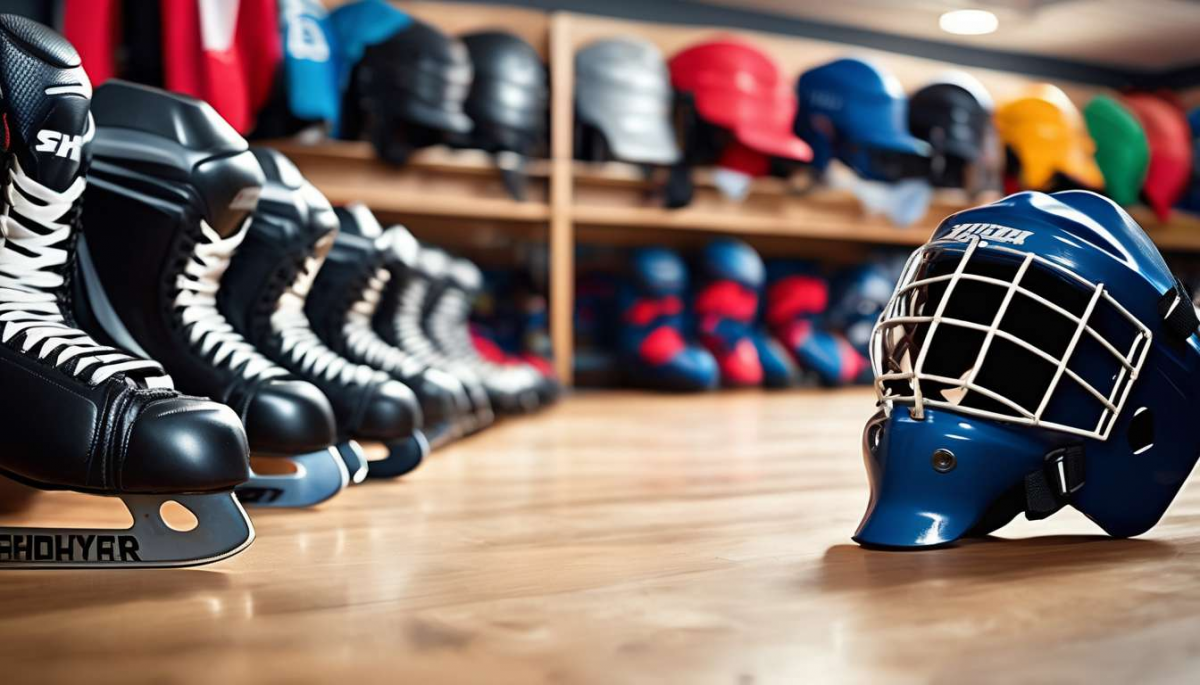
Rising concerns about youth safety in sports have led to increased scrutiny on equipment standards for junior hockey players. Safety, comfort, and durability are critical considerations when selecting the appropriate gear for young athletes.
The issue of inadequate protective equipment poses significant risks to the health and well-being of junior players. This can potentially discourage participation and hinder the development of both skills and interest in the sport.
Junior hockey requires gear that not only offers superior protection but also enables freedom of movement, allowing players to perform at their best.
The balance between affordability and quality presents an additional challenge for parents and guardians seeking to support their children’s passion for hockey. Identifying the right combination of equipment while adhering to industry safety standards is crucial. This involves:
- Helmets
- Pads
- Skates
- Sticks
Addressing these challenges is essential for sustaining interest and growth in youth hockey programs globally.
For a wide selection of high-quality, safety-compliant gear that meets the needs of junior players, parents can explore options at Hockeystore.com.
Importance of Helmets
Helmets are crucial for protecting young hockey players from head injuries on the ice. In the fast-paced and physically demanding environment of hockey, ensuring safety through proper equipment is paramount. Helmets, as a fundamental piece of protective gear, serve to mitigate the risk of concussions and other head-related injuries that may occur during practices and games.
The design and materials used in helmets are continuously evolving to offer increased protection and comfort, aligning with the community’s commitment to safety and well-being.
In addition to helmets, comprehensive protective gear includes well-fitted skates, which are essential for maintaining balance and agility. Skates must be paired with helmets to ensure a holistic approach to safety, as they contribute to the players’ ability to maneuver effectively on the ice.
High-quality protective gear fosters a sense of security among young athletes, allowing them to participate confidently in the sport. The integration of helmets and skates exemplifies a commitment to safety and community within junior hockey.
Essential Protective Pads
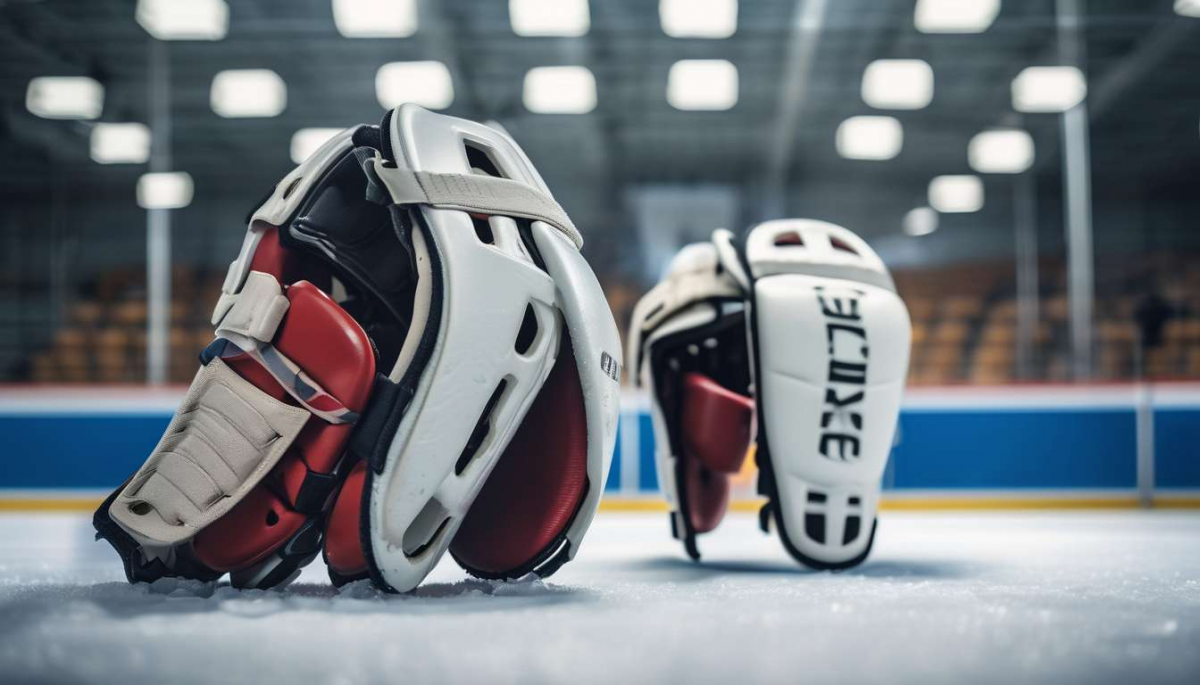
A comprehensive selection of protective pads is vital for shielding young hockey players from potential injuries during games and practices. Essential protective gear includes:
- Shoulder pads
- Elbow pads
- Shin guards
- Gloves
These items work in conjunction with helmets to provide comprehensive protection. They are designed to absorb impacts from pucks, sticks, and collisions with other players, ensuring the safety of junior athletes on the ice.
Shoulder pads safeguard the upper body, including the chest and back, reducing the risk of fractures and bruises. Elbow pads specifically protect the vulnerable elbow joints. Shin guards shield the lower legs from direct hits and falls. Gloves are critical for protecting hands and wrists, allowing players to maintain a firm grip on their sticks while minimizing the risk of injury.
In addition to helmets, skates also contribute to safety by providing stability and support, thus reducing the likelihood of falls.
Ensuring the proper fit and quality of protective pads fosters a sense of belonging and confidence among young players.
Choosing the Right Skates
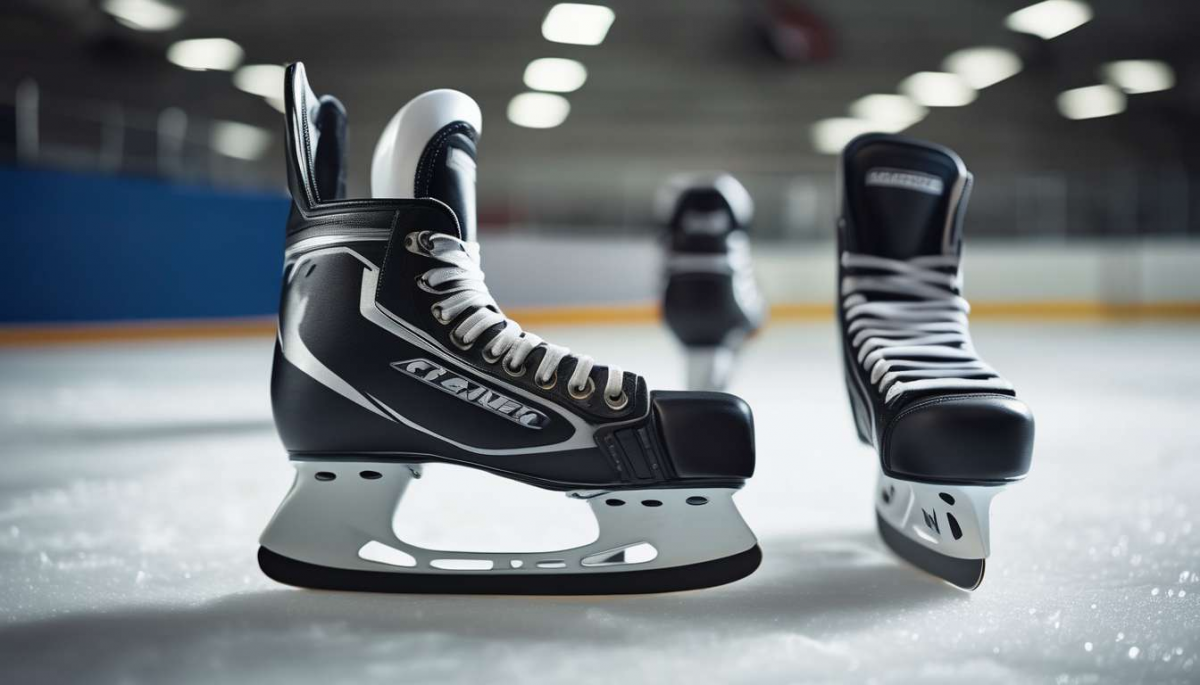
Selecting the ideal pair of skates is crucial for junior hockey players, as it directly impacts their performance, comfort, and safety on the ice. Properly fitting skates ensure agility and speed, allowing players to maneuver effectively during games.
When choosing skates, consider the following:
- Size: Ensure the skates fit well without being too tight or too loose.
- Fit: Look for skates that conform well to the player’s foot shape.
- Support: Opt for skates that offer adequate ankle support to prevent injuries.
Skates that are improperly fitted can lead to discomfort or injury, which can undermine a player’s confidence and the team’s cohesion.
In addition to skates, helmets and other protective gear play a vital role in safeguarding young athletes. Ensuring that skates complement the rest of the equipment, such as helmets, enhances overall protection.
High-quality skates should provide adequate ankle support, which is essential alongside the protective gear to prevent injuries. It is important to select skates that align with the player’s skill level and style, contributing to a sense of security and belonging within the team.
By prioritizing fit and quality, the foundation for a successful and safe hockey experience is established.
Impact of Proper Sticks
Selecting the Right Hockey Stick
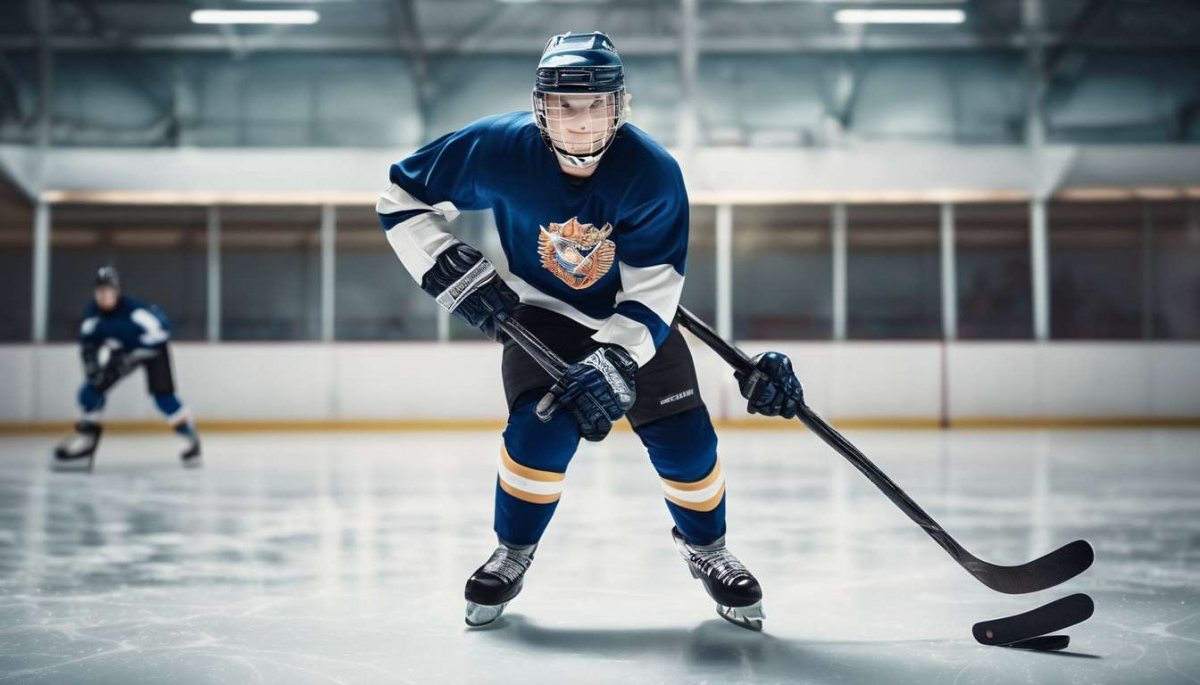
Selecting the right hockey stick significantly affects a junior player’s performance and development on the ice. A stick that complements a young player’s size, strength, and skill level can enhance control and accuracy, providing a sense of belonging and confidence within the team.
Importance of Proper Equipment
Proper sticks ensure that players can effectively utilize their training, much like helmets, protective gear, and skates play crucial roles in safety and mobility. The right stick assists in mastering puck handling and shooting techniques, which are essential for competitive play.
Considerations for Stick Selection
Moreover, the stick’s length and flex must align with the player’s physical attributes and style of play.
- A well-matched stick allows for a comfortable grip.
- It ensures efficient transfer of energy, which is vital during fast-paced games.
Role of the Stick in Player Development
As juniors progress in their hockey journey, the stick becomes an extension of their skill set, akin to how helmets and protective gear shield them from injury. Thus, investing time in selecting an appropriate hockey stick is indispensable for junior players.
Balancing Price and Quality
Finding the right balance between price and quality is crucial when selecting hockey equipment for juniors. This ensures both affordability and durability without compromising performance. Parents and guardians often seek equipment that provides maximum protection while fitting within budgetary constraints.
Helmets play a vital role in safeguarding young athletes. Choosing models that offer robust protection and comfort is essential. It is advisable to consider helmets that:
- Meet industry standards
- Offer adjustable features for a secure fit
Protective gear such as pads and gloves must be durable yet cost-effective. Evaluating products that:
- Provide comprehensive protection
- Allow freedom of movement
can enhance both safety and skill development.
Skates, an integral component, require careful consideration of:
- Fit
- Blade quality
- Material
This ensures optimal performance on the ice. Striking a balance between entry-level models and premium options can lead to a satisfying purchase, offering value without compromising on the essential features that young players need.
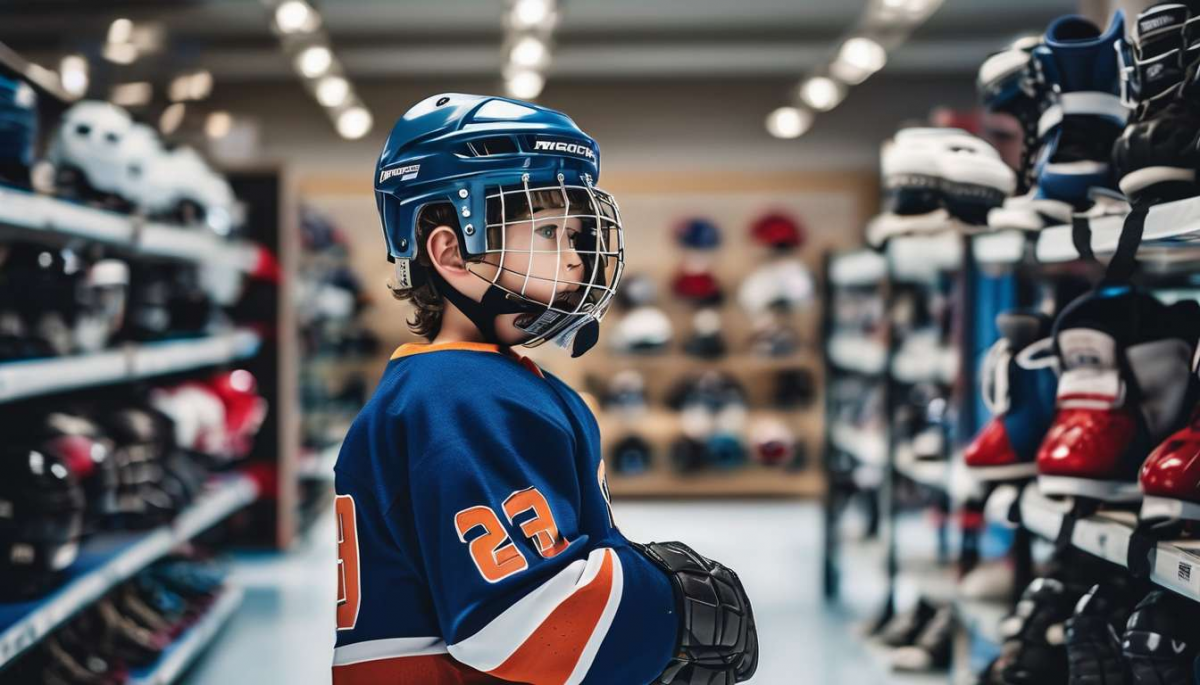
Safety Standards and Compliance
Adhering to established safety standards and compliance regulations is essential for ensuring junior hockey equipment provides adequate protection and performance. Recognized organizations, such as the International Ice Hockey Federation (IIHF) and the Hockey Equipment Certification Council (HECC), set stringent standards for the design and manufacture of helmets, protective gear, and skates.
These standards are crucial in fostering a sense of security and community among young athletes and their families, ensuring that equipment meets the necessary criteria to prevent injuries.
Helmets must pass rigorous testing to protect against impacts and include features such as:
- Adjustable straps
- Cushioning for a secure fit
Protective gear, including:
- Shoulder pads
- Elbow pads
- Shin guards
must comply with standards that ensure:
- Durability
- Shock absorption
Skates are also subject to regulations that dictate:
- The strength of materials
- Blade attachment for stability and support on the ice
Compliance with these standards not only safeguards young players but also reinforces trust and cohesion within the hockey community.